










October is Cybersecurity Awareness Month
Don’t Make It Easy for Criminals
Cybersecurity Awareness Month is a global initiative every October that raises awareness about safety and empowers individuals and businesses to protect themselves while using cyber technology.
Cybersecurity at Home
Healthy cybersecurity starts with you. Follow these four steps to stay secure online:
1. Update your software often – Updating your computer or cellphone software often includes updated security protection.
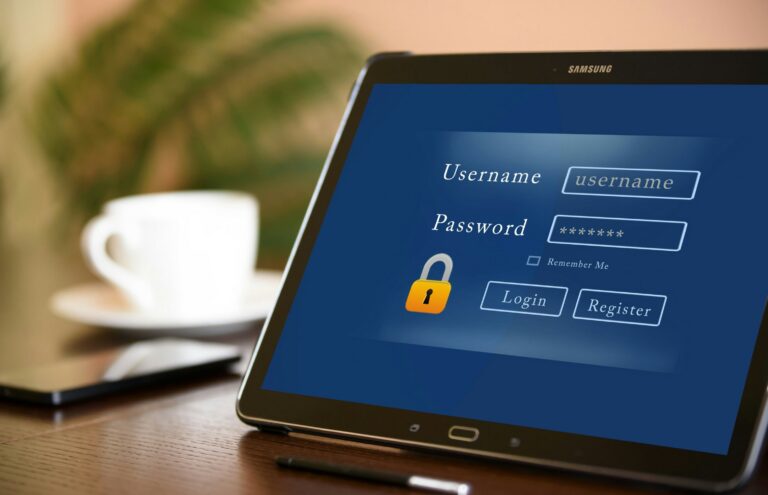
2. Use strong passwords – Be sure you are using strong passwords that include a number, letters, and special characters (e.g., @, #, $).
3. Use multifactor authentication – A second layer of security when logging onto websites such as banks. Multifactor authentication often includes getting a passcode via email or text message.
4. Teach everyone in the home about cybersecurity – Ensure that everyone that uses technology knows how to identify potential threats.
5. Be carful on public WiFi – Public WiFi can be convenient, but they are not secure. Attackers use the same network to attack your online activities.
Know How to Identify Common Cyber Attacks
Healthy cybersecurity starts with you. Follow these four steps to stay secure online:
1. Phishing – Deceptive emails or messages that trick the user into revealing sensitive information such as passwords, credit card numbers, or other private information.
2. Voice Phishing or Vishing – A relatively new concept – Similar to phishing, vishing uses phone calls to trick people into giving private information.
3. Malware – Harmful software that includes viruses or spyware designed to damage or infiltrate your computer to steal information.
4. Ransomware – A specific malware that encrypts your computer locking it from you and requiring payment to restore your system.


Protect Your Business
Cyber criminals look for easy targets. Businesses are particularly vulnerable. Protect your business with these steps:
1. Teach employees to avoid phishing – Train staff to recognize and report suspicious activity.
2. Update business software – Update all software programs often. Outdated software may contain potential issues or may not recognize newer cyber attack attempts.
3. Use logging on business systems – Log activity on all computers so you can monitor or track down potential cyber attacks.
4. Back up your data – Ensure you have a backup of all critical information. In the event your system gets hacked, you will have less lost time by keeping records secure.
5. Encrypt business data – Encrypting your data and systems strengthens your defense against attempted hacks.
6. Report cyber incidents – If you have been attacked or are suspicious you may have been attacked, notify your Information Technology department right away.